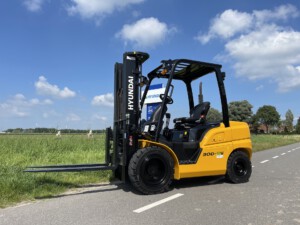
Dirt, dust, and outdoor work
Recycling sites often have dust, moisture, mud, waste residue, or uneven surfaces. Therefore, grip, durability, cabin, and visibility are especially important.

One rent forklift for recycling asks for a robust machine that can handle intensive work. In recycling facilities, waste processing, container handling, and sorting sites, you deal with dust, dirt, uneven surfaces, heavy pallets, big bags, crates, containers, and continuous loading and unloading.
HeftruckHuren.com helps you find the right Hyundai rental forklift for your site, warehouse, or transshipment location. Consider diesel forklifts for outdoor work, electric forklifts for indoor locations, heavy-duty forklifts for large loads, and models with cabins, the right tires, sideshift, or fork positioner.
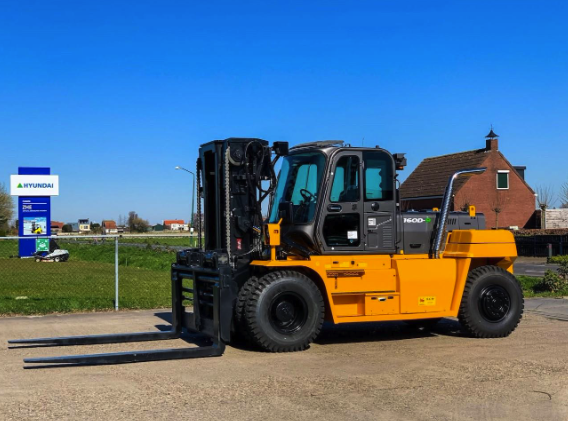
For recycling and waste processing, a diesel forklift or a heavy-duty electric forklift is often suitable, depending on the location. Outdoors, traction, cabin, ground clearance, tires, and stability are important considerations. Indoors, emission-free operation, maneuverability, visibility, noise level, and dust resistance are important. The right choice depends on load weight, surface, lift height, route, and rental period.
In recycling and waste management, everything is about flow. Trucks need to be unloaded, materials moved to sorting areas, balers, containers, or storage bays, and machines need to keep running. The work environment is often tougher than in a standard warehouse.
Recycling sites often have dust, moisture, mud, waste residue, or uneven surfaces. Therefore, grip, durability, cabin, and visibility are especially important.
Big bags, pallets, bales, crates, containers, and machine parts vary greatly in weight and dimensions. Therefore, good capacity selection is crucial.
Downtime directly costs capacity. A rental forklift can temporarily step in during peak periods, breakdowns, maintenance, or extra material deliveries.
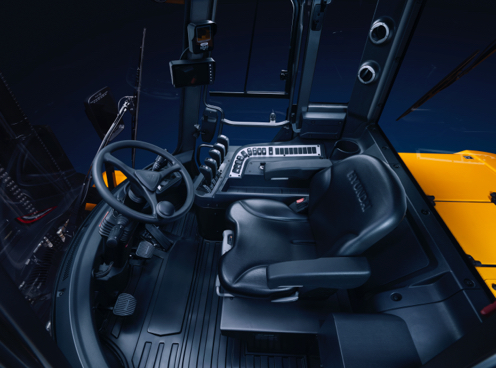


The best choice depends on where the forklift will be used. An outdoor area with containers requires something different than an indoor hall with conveyor belts, presses, or packaging lines.
| Application | Recommended rental forklift | What to look out for? | Useful link |
|---|---|---|---|
| Outdoor area with containers | Diesel forklift with suitable tires and optional cabin | Grip, surface, rain, visibility, turning radius, and stability | Rent diesel forklift |
| Indoor hall or sorting location | Electric forklift with non-marking tires | Emission-free work, maneuverability, dust, visibility, and noise level | Rent an electric forklift |
| Big bags, bales, or heavy pallets | Forklift with sufficient residual capacity and appropriate fork length | Load center, weight, wheelbase, lift height, and route | View laser center |
| Intensive day production | Robust diesel, LPG, or lithium-ion forklift | Operating hours, refueling/charging times, maintenance, and driver comfort | Shift work |
| Heavy machine parts or installations | Large forklift 5 tons or more | Rest capacity, floor load, route, mast, and fork length | Rent a large forklift |
Never choose solely based on lifting capacity. In recycling, the undercarriage, tires, visibility, dust, dirt, center of gravity, turning radius, cab, and service life count just as much. A forklift that works perfectly in a clean warehouse may be unsuitable for a recycling yard.
Reliability is especially important for recycling companies. Therefore, we often recommend a robust diesel forklift, an electric forklift for indoor work, or a heavier machine when moving big bags, bales, metal, containers, or machine parts.
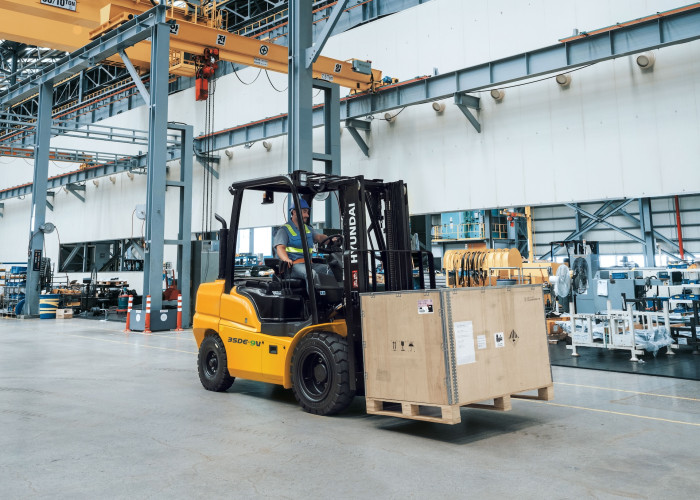
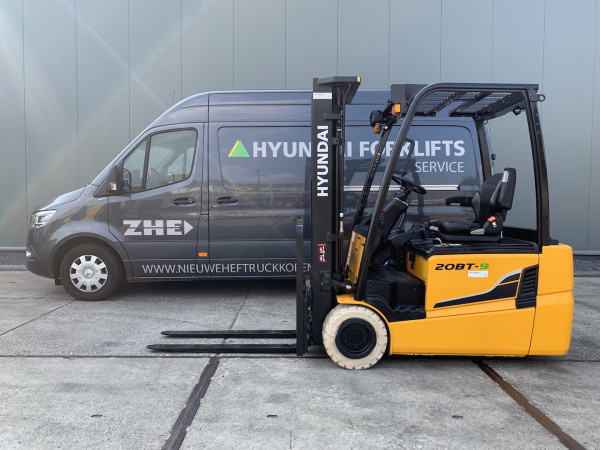
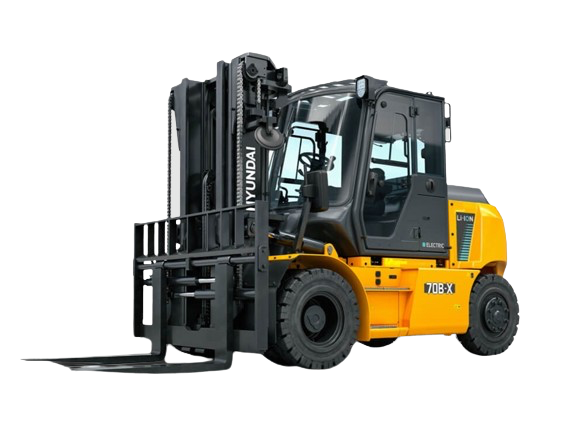
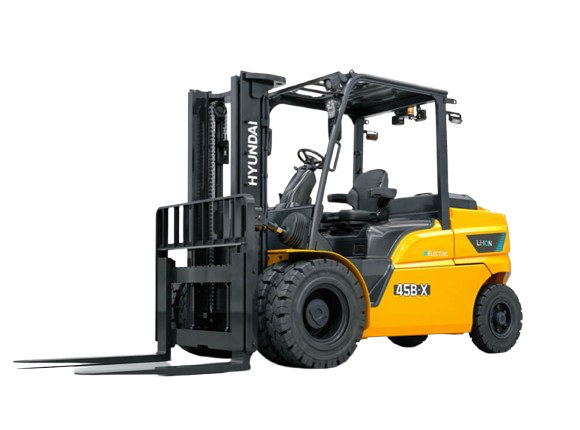
Recycling companies primarily rent forklifts when there is a temporary increase in the material flow, when their own machine is out of order, or when more capacity than usual is needed for a project.
When supplying and removing material, speed is important. A suitable forklift prevents waiting times, damage, and unsafe situations around trucks.
Materials like plastic, paper, metal, wood, film, or residual waste can be heavy and bulky. Fork length and residual capacity are therefore important.
A forklift keeps the routing on the premises or in the warehouse going: from the sorting zone to the press, storage, container, or shipping.
Does your own forklift break down? Then a temporary rental forklift can prevent the entire material flow from stalling.
When moving, redecorating, installing a new sorting line, or needing extra stock, renting is often more flexible than investing directly.
For outdoor storage, tires, cabin, grip, visibility, and stability are more important than in a standard indoor warehouse.
The right drive depends on the environment. Indoors, you often want to work emission-free. Outdoors, diesel is often powerful and practical. LPG can be interesting for mixed use when ventilation and working conditions are suitable.
Diesel is often the logical choice for outdoor areas, heavy loads, and intensive use. Think of container handling, outdoor pallets, on-site bales, or work in rain and wind.
Also see: Rent diesel forklift en Forklift rental for outdoor work.
Inside a hall, electric vehicles are often preferred due to their quiet operation and emission-free use on-site. However, pay attention to charging options, battery life, dust, flooring, and operating hours.
Also see: electric forklift rental en forklift loading.
LPG can be interesting if you drive both indoors and outdoors, but don't want to use electric charging infrastructure. The location must be suitable in terms of ventilation and safety.
Also see: Diesel or LPG for outdoor work.
For heavy bales, machine parts, containers, metal scrap, or large pallets, a larger forklift may be necessary. In this case, pay special attention to residual capacity and load center.
Also see: rent a large forklift en Forklift capacity.
By following these steps, you can prevent the rental forklift from being too light, too small, unsuitable for the surface, or impractical for your material flow.
Indoors, outdoors, or both? Check if the route travels over concrete, asphalt, pavers, terrain, slopes, or wet floors.
Record the weight of big bags, bales, pallets, containers, crates, or machine parts. Assume the heaviest practical situation.
Large bales or wide pallets can affect the remaining capacity. Therefore, measure the length, width, and the estimated center of gravity.
For outdoor work, grip, cabin, and visibility are important. For indoor work, emission-free operation, maneuverability, and noise level count.
Determine if you need the forklift for one day, one week, one month, or longer. We can arrange transport to your location.
Provide clear driving routes, sightlines, safe zones around trucks, and appropriate instructions for the driver.
Forklifts, trucks, loaders, pedestrians, and other machinery often operate alongside each other at recycling yards. Therefore, clear driving routes, visibility, good lighting, a suitable forklift, and an experienced operator are important.
At HeftruckHuren.com, VA-keur is the standard. This is important for heavy and intensive use in recycling, waste management, transshipment, and industry.
More information on inspection standards can be found via VA-certified.
Would you like to look into purchasing in addition to renting? Then check out BuyForklift.com.
More information about Hyundai Material Handling can be found at Hyundai Material Handling Europe.
The rental price depends on capacity, drive, version, rental period, transportation, and any options such as cabin, fork positioner, sideshift, longer forks, or special tires. For temporary peak loads, weekly rentals can be attractive. For long-term use, monthly rentals are often more cost-effective.
Suitable for emergencies, breakdowns, a single project day, or temporary extra supply.
Interesting for increased traffic, maintenance, sorting projects, or temporary storage.
Ideal for long-term production, seasonal peaks, structural extra capacity, or replacement of own equipment.
These pages will help you choose the right forklift for rough terrain, heavy loads, safety, and temporary use.
For recycling companies, a diesel forklift is often suitable for outdoor work and heavy use. For indoor halls or sorting locations, an electric forklift may be a better fit. The right choice depends on the surface, load weight, lifting height, travel routes, and duration of use.
Yes, especially indoors on flat floors and for emission-free use. However, pay attention to battery life, charging options, dust, floor condition, and operating hours. For heavy outdoor work, diesel is often more practical.
A cab is advisable for outdoor work, rain, wind, dust, long workdays, or cold conditions. In recycling and waste processing, a cab often increases driver comfort and protection.
That depends on the surface. Different tires are suitable for concrete or asphalt than for pavers, mud, gravel, or uneven terrain. Grip, stability, and braking distance are important on wet or dirty surfaces.
Yes. Pay special attention to weight, dimensions, center of gravity, fork length, and residual capacity. Big bags and bales can be large, which may require a heavier forklift than the weight alone would suggest.
Yes. ForkliftRental.com can deliver the rental forklift to your recycling site, sorting facility, transshipment location, warehouse, or project site.
Yes. Renting is ideal when your own forklift is out of order, when there is a temporary increase in incoming material, or when you are running a project that requires extra capacity.
Send us your application, substrate, load weight, lifting height, and desired rental period. Then we will advise which forklift, tires, mast, cabin, and drive system will best suit your recycling location.