Tire Choice When Renting a Forklift: Non-marking, Solid Rubber, or Pneumatic Tires?
The right forklift tires determine much more than comfort: they influence floor protection, Grip, stability and even the Lead time during loading/unloading. In this guide, you can quickly choose the right tire type for your situation—from warehouse floors to outdoor areas.
1) Why hiring forklift tires is a “make or break” choice
Whether you rent a forklift for a day or a few months, if the tires aren't suited to your surface, you'll notice it immediately. Think of slippery trucks on wet outdoor terrains, damaged warehouse floors, or extra vibrations on rough asphalt. With the right type of tire, you'll work faster, safer, and prevent unexpected damage.
Less floor damage
Non-marking prevents streaks and wear inside
More grip
Pneumatic tires help outdoors on rough/wet terrain
More stability
volrubber is leak-proof and stable during intensive work
VA-certificate: our machines come standard with VA-certified (safe and ready for deployment).
2) Non-marking tires: the safe choice for indoors (flooring & hygiene)
Non-marking tires are meant to no black stripes to leave on floors. This is especially interesting for warehouses, production, showrooms, and environments where floor quality and appearance are important.
When non-marking is often the best choice
- smooth/finished warehouse floors (epoxy, coated concrete)
- food/clean environments where hygiene and cleanliness count
- Showroom/retail locations where floor scuff marks are immediately noticeable
- intensive interior work with many turns
3) Rubber bands: stable, leak-free, and ideal for intensive use
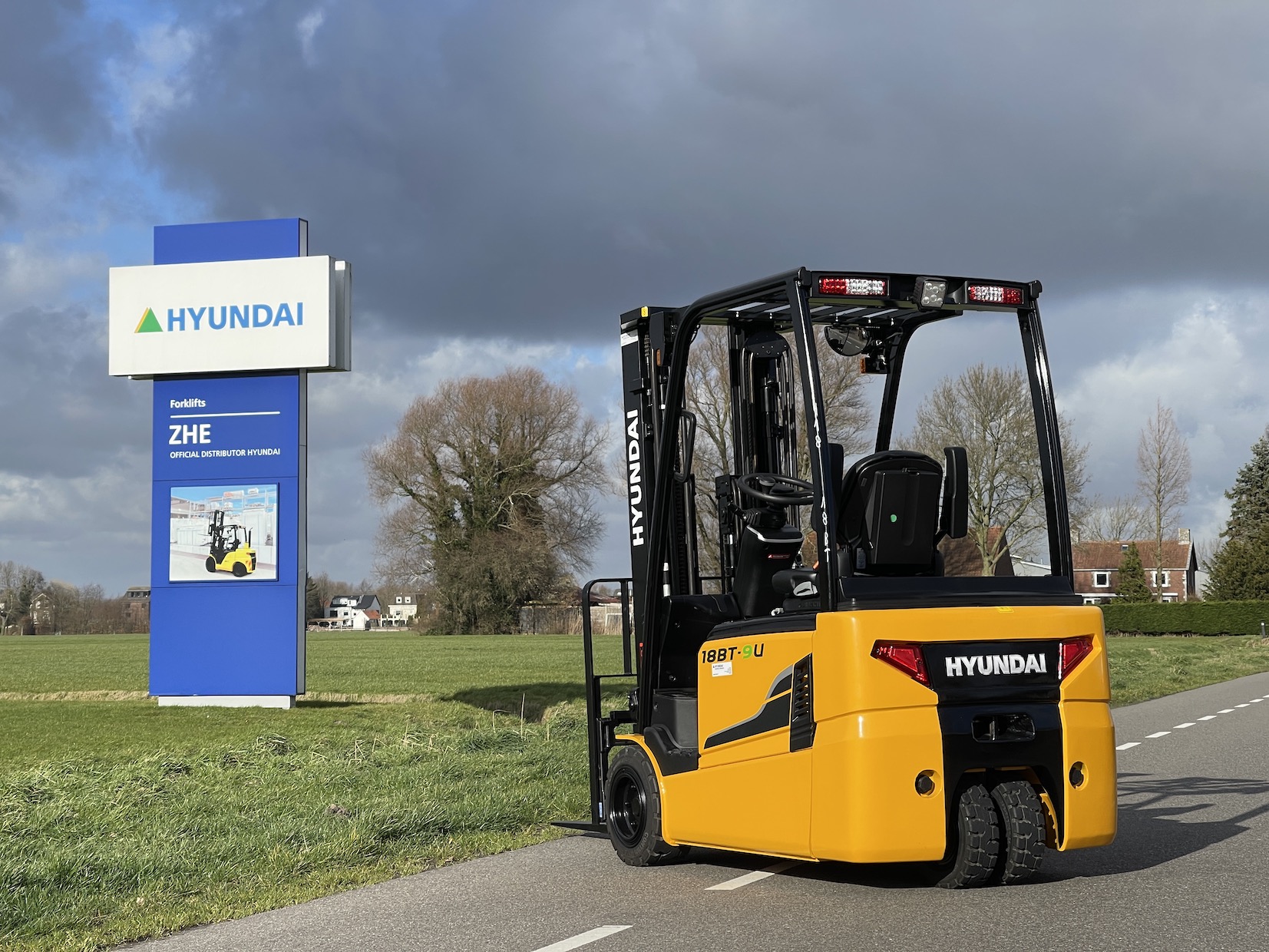
Rubber sole (Solid) tires are “puncture-proof” and wear-resistant. They are often chosen for intensive work, where you don't want downtime due to flat tires and where stability is important (e.g., docks, freight forwarding, production supply).
When solid rubber works well
- Intensive dock work with a lot of movement and short stops
- Areas with a risk of sharp debris (avoid punctures)
- indoor/outdoor mix with a lot of “hard” surfaces (concrete/asphalt)
- where stability and predictability are important
4) Pneumatic tires: more grip outdoors (rough terrain, wet, cracks, and thresholds)
Do you work outside on rough asphalt, cobblestones, quays, or on terrain that is wet and uneven? Then these pneumatic tires often the best choice: more suspension, more grip, and a more comfortable ride over bumps.
When air-filled tires are often the best choice
- Outdoor/all-terrain (grip and control)
- thresholds, cracks, clinkers, brick path or slope
- Construction/industrial sites with inequalities
- Comfort and traction are more important than “floor finish.”
Tip Exterior work = tires + stability + deployment duration. Always provide your surface (asphalt/pavers/rough terrain).
5) Quick Decision Aid (Table): Which tire suits your bet?
Here’s how it works in practice. Want to be sure about the 100%? Send us details of your floor/subfloor and intended use, and we’ll give you immediate advice.
| Band type | Best regards | Pros | Pay attention |
|---|---|---|---|
| Non-marking | Warehouse, production, clean/food, clean floors | Prevents streaks, neat appearance, floor protection | Grip outside may be less; adjust to effort |
| Rubber sole solid | Docks, shipping, intensive work, leak risk | Leak-free, stable, wear-resistant, low downtime | Less cushioning on rough terrain than pneumatic tires |
| Tires | Outside, rough/wet terrain, thresholds, and uneven surfaces | Grip, comfort, traction, better over bumps | More chance of puncture; check terrain (rubble/sharp objects) |
Practical examples: which tire do you choose in 3 common situations?
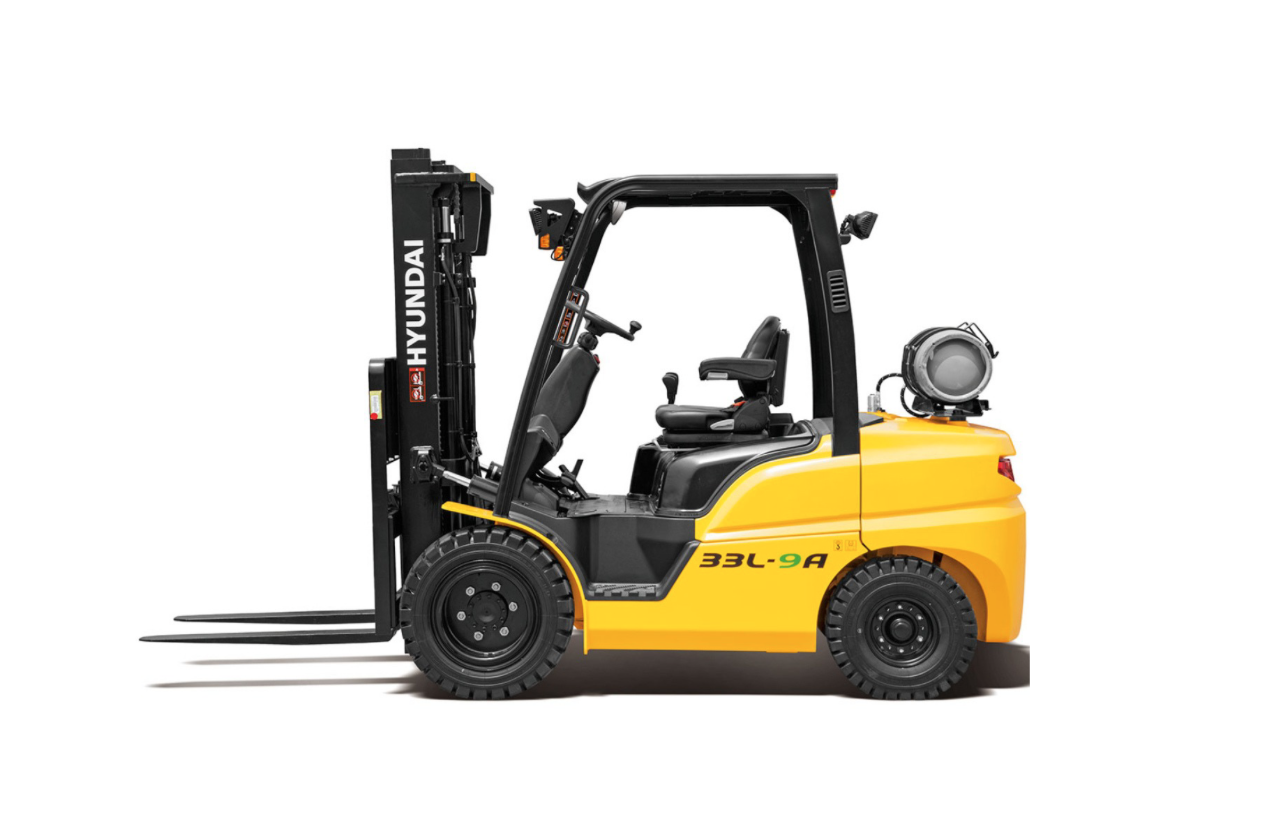
Warehouse with a clean floor
- Band advice: non-marking
- Truck type often electric
- Link electric forklift rental
2) High-intensity expeditions/docks
- Band advice: rubber seal (leak-proof, stable)
- Extra: route/transfer check
- Link rent including transport
3) Outdoor area (wet/rough, thresholds)
- Band advice: pneumatic tires
- Truck type often diesel or heavy-duty
- Link Rent diesel forklift
Important: Also indicate if you are working on a slope, and if there are many curves/rotations. This affects grip and tire wear.
Frequently Asked Questions about Non-Marking, Solid Rubber, and Pneumatic Tires
Are non-marking tires always necessary in a warehouse?
What is the biggest advantage of solid rubber?
When do I choose pneumatic tires?
Are your forklifts delivered with inspection?
Rent directly with the right tires? Go to forklift rental contact us via contact.