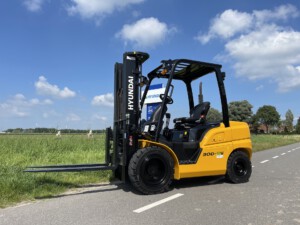
When renting an electric forklift, people no longer look only at lifting capacity and purchase price. In practice, it's all about charging time, maintenance, operating hours, downtime, and daily operating costs. That is precisely why the choice between Hydrochloric acid en lithium-ion increasingly important. Not only technically, but especially from a business economic perspective.
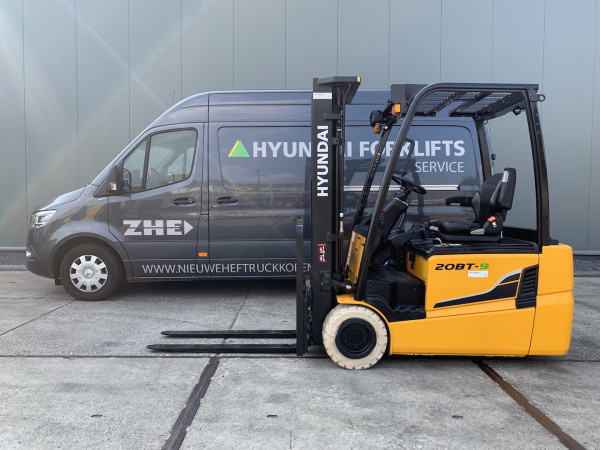
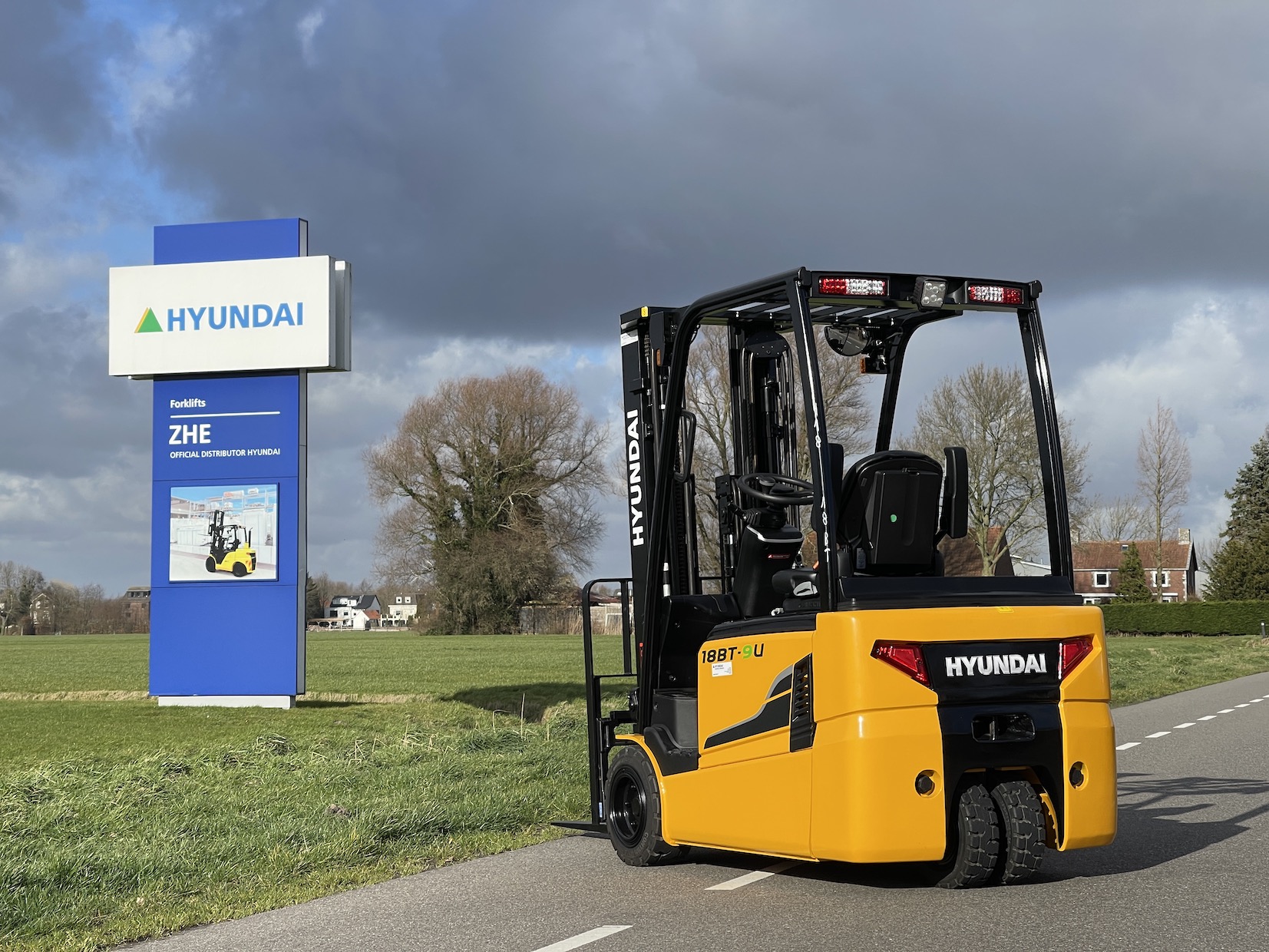

Many companies, when considering an electric forklift, first look at capacity, brand, and rental price. Understandable, but battery technology largely determines how pleasant and efficient the truck works in practice. Especially in warehouses and logistics environments, it's not just what a truck can, but especially how often it is immediately deployable, how long charging takes, and how much attention battery management requires.
For one customer, lead-acid is still a fine choice. For another customer, lithium-ion proves to be smarter because the truck runs more often, needs to be able to recharge faster, or simply requires less downtime and less maintenance.
Lead-acid batteries have been known for years in internal logistics. They are often a trusted and proven solution, especially for predictable use and lower peak loads.
Lithium-ion is ideal when you want to charge faster, recharge more frequently, and require less battery management. This makes it interesting for busy warehouses and companies that want maximum uptime.
| Part | Lead-acid | Lithium-ion |
|---|---|---|
| Loading strategy | Better served by fixed charging times and good discipline | Well suited for fast intermediate charging |
| Maintenance | More attention needed in daily management | Fewer daily tasks |
| Downtime | Can increase with intensive use or battery changes | Often lower due to opportunity charging and simpler deployment |
| Suitable for | Quieter or more predictable betting | Intensive deployment, multiple shifts, or demanding warehouse work |
| Business case | Can be great with limited operating hours | Often stronger with heavy use and uptime needs |
The transition to lithium-ion is often explained as a technical improvement. But the real business case is usually elsewhere: in the total impact on your operation. Think of less charging downtime, less chance of hassle with battery changes, fewer maintenance moments, and a truck that is back in service faster.
When a truck can quickly recharge in between jobs, it remains available on the work floor more often.
Less hassle with battery changes, charging planning, and daily battery maintenance saves time and attention.
A simpler charging process makes the deployment of your forklifts more predictable and enjoyable for operators.
This advantage quickly adds up, especially in warehouses where multiple employees work with the same trucks. In such cases, battery technology becomes not just a detail, but a factor in productivity, scheduling, and service level.
A good example from practice is Wine House Orange. Two electric forklifts on lead-acid were traded in for two lithium-ion forklifts. Not because lithium is “hipper,” but because it better fit the daily operations in the warehouse.
Professional and reliable rentals for warehouse use. We rented 2 electric forklifts for our warehouse for a period of 5 years. From the initial contact, they thoughtfully considered which models would best suit our operations and floor situation. Communication was clear and quick, agreements were met properly, and the delivery proceeded as planned. The electric forklifts were in excellent condition: quiet, maneuverable, and reliable for daily use—exactly what you need in a warehouse.
Precisely those kinds of situations show where lithium-ion becomes interesting. In a warehouse, it's not just about power, but also about adaptability, stability, reliability, and continuity. When employees need to work quickly and trucks are used intensively daily, less loading hassle is often directly noticeable on the floor.
Instead of planning your workday entirely around the battery, the charging strategy adapts better to the work process.
That saves space, efforts, and interruptions during busy periods.
Especially interesting for companies that want to organize their workplace neatly, safely, and efficiently.
Operators prefer to focus on logistics rather than charging planning, maintenance, or swap procedures.
Lithium-ion isn't automatically the best choice for everyone. For lower operating hours, less demanding work, or predictable deployment without much peak load, lead-acid can still function perfectly well. This is especially true when the work rhythm is stable and the charging infrastructure and discipline are set up effectively.
Provide your working hours, loading times, and type of work. We will then advise which electric Hyundai forklift and which battery solution best suits your warehouse or logistics process.
Whatever battery technology you choose, safe and professional use remains the foundation. That's why it's important that the machine is properly inspected, delivered neatly, and suitable for the work environment in which it operates. At HeftruckHuren.com, VA quality standard on the machines.
Want to know more about the quality mark? Then also read the official explanation from VA-certified. This explains that VA-keur focuses on safe work equipment and periodic safety inspections. You can also read more about the machine inspection.
At HeftruckHuren.com, you can choose from a wide fleet of electric forklifts for warehousing, logistics, and production. We don't just look at the model, but also consider:
How often and how intensively does the truck actually run per day?
Aisle paths, turning radii, internal routes, and available loading space all play a part.
Would you particularly like less hassle, more uptime, and a battery solution that better fits your work rhythm?
Check out our pages on electric forklift rental, Full-service forklift rental en Service & Maintenance for more information about long-term commitment and support.
No. Lithium-ion is often stronger for intensive use, fast recharging, and minimal downtime. But for quieter and more predictable deployment, lead-acid can still be a good fit.
Usually less downtime, less battery maintenance, faster charging capabilities, and a more pleasant daily workflow for operators and planners.
Yes, often. Especially in warehouses where trucks operate daily, have short breaks, and need to remain continuously available, lithium-ion is often a strong choice.
With lower usage hours, a calmer rhythm, and a well-organized charging structure, lead-acid can still be a logical and efficient solution.
Yes. Based on hours of operation, aisle width, workload, load moments, and type of work, we can advise on which electric forklift and battery technology best suits your situation.
We are happy to help you brainstorm the best electric forklift for your application. Not only on paper, but especially based on your daily practice: routes, loading times, peak loads, workspace, and desired simplicity.